The acceptance letter has arrived. The celebration is over. And now, for the class of spring 2026 admits, comes the question that separates students who merely attend college from students who genuinely thrive in it: what do you do with the summer in between? Most high school seniors coast through those final months on a wave of senioritis-fueled relief, only to arrive on campus in August feeling underprepared, overwhelmed, and behind peers who used that window strategically. The gap between those two groups isn’t talent — it’s intentionality. This guide is built for the intentional ones.
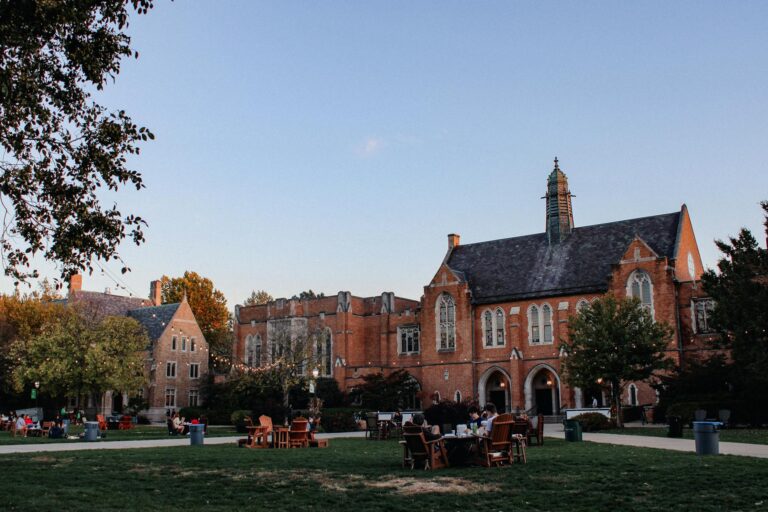
Whether you’re heading to a large research university, a small liberal arts college, or a community college transfer pathway, the summer before freshman year is one of the most underutilized strategic assets in a student’s academic career. College admissions trends in 2026 show that incoming classes are more competitive, more globally diverse, and more academically prepared than ever before. That means the students sitting next to you in your first college lecture hall have already done work you haven’t — unless you use these next few months wisely. Here is your complete pre-freshman checklist, broken into the three domains that matter most: academic readiness, social integration, and financial health.
Academic Preparation: Get Ahead Before Day One
One of the most persistent myths in college admissions culture is that admitted students are automatically ready for college-level coursework. Acceptance and academic readiness are not the same thing. Admission tells you that a committee believed in your potential — it does not guarantee that your study habits, reading stamina, or quantitative skills are calibrated for the volume and pace of college coursework. The summer before freshman year is your training camp, and the students who treat it that way gain a measurable advantage from the very first week of classes.
Start by reviewing your placement test requirements. Many universities in 2026 still use math and writing placement assessments that determine whether you begin in credit-bearing courses or in remedial sequences that delay your degree timeline and cost you money. If your intended major requires calculus, and you haven’t taken math since junior year, a few hours per week on platforms like Khan Academy or Art of Problem Solving can make the difference between placing into Calculus I on day one versus spending a semester in pre-calculus that doesn’t count toward graduation.
Beyond placement, consider doing a light read of your first-semester syllabi if your university posts them in advance — and many do. Identify the first two or three required texts in your core courses and read them over the summer. You won’t be tested on this material during the summer, which means you can read for comprehension and curiosity rather than for grades. Students who arrive having already read the first assigned book in their English composition or political science course report significantly lower first-week anxiety and stronger early participation scores. That early engagement signals to professors that you are a serious student — a reputation that pays dividends for office hours relationships, recommendation letters, and research opportunities down the line.
If you have known skill gaps — writing structure, statistical reasoning, scientific notation, foreign language fluency — address them now. The cost of targeted tutoring or online course access in the summer is a fraction of what you’ll pay in tuition for a repeated course or an extended semester. This is precisely the kind of data-driven, ROI-focused thinking that distinguishes brilliant academic planning from reactive scrambling.
Social Integration: Build Your Network Before Orientation Week
College success is not a solo sport. Research on college retention consistently shows that students who establish meaningful social connections in their first semester are significantly more likely to persist to graduation. The challenge is that orientation week — chaotic, overstimulating, and compressed into a few days — is actually a poor environment for building lasting relationships. The students who arrive already having a handful of connections, a sense of campus culture, and some social confidence are at a distinct advantage before anyone opens a textbook.
Use the summer to engage genuinely with your incoming class community. Nearly every college now has official admitted student platforms, Discord servers, or Facebook groups where the class of 2030 is already gathering. These are not just spaces for meme-sharing — they are early relationship-building environments. Introduce yourself. Ask thoughtful questions. Connect with students in your intended major or residential hall. The goal is not to collect followers but to identify two or three people whose interests align with yours before you ever step on campus.
Beyond peer networks, spend time researching clubs, organizations, and student groups that align with your academic interests and personal values. Write down three to five organizations you plan to attend in the first month. Students who walk into a club fair with a curated shortlist move with purpose instead of paralysis. Given how crowded college admissions trends have made incoming classes, standing out as a focused, engaged new member — rather than a passive lurker — accelerates your integration into communities that support long-term growth.
If your college offers pre-orientation programs — outdoor trips, community service immersions, affinity group retreats — apply for them now if the window is still open. Pre-orientation participants consistently report stronger social connections and higher first-semester satisfaction than students who arrive for standard orientation. These programs are one of the best-kept secrets in college preparation, and they fill fast.
Financial Health: Understand the Money Before It Controls You
No pre-freshman checklist is complete without a serious, adult conversation about college finances. Financial stress is among the leading causes of student dropout, reduced course loads, and poor academic performance in the first year. And yet most incoming freshmen arrive on campus having never read their full financial aid award letter carefully, never set a monthly budget, and never considered the true cost of the choices they’re about to make in the campus bookstore, dining hall, and housing system.
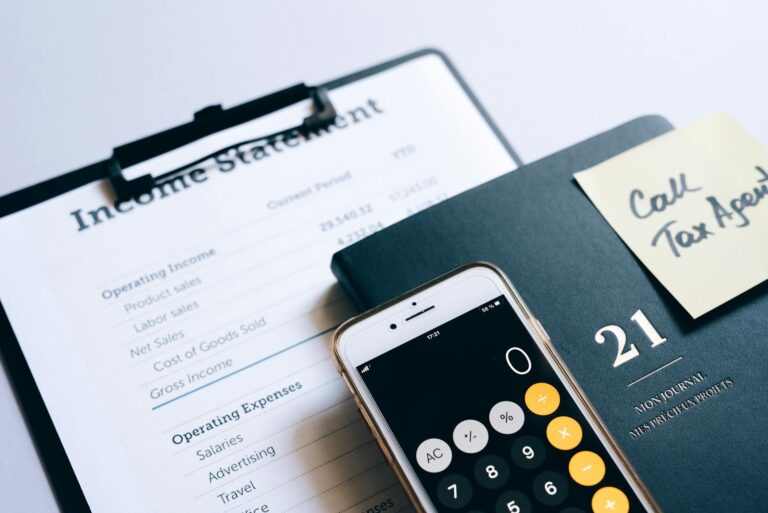
This summer, sit down with your family and build a detailed first-year budget. Account for tuition, fees, housing, meal plans, textbooks, transportation, personal expenses, and any loan repayment timelines. Use your financial aid award letter as your starting document. Understand the difference between grants and scholarships (money you keep) versus loans (money you owe with interest). If your package includes work-study, research what jobs are available on campus and apply early — the best positions go to students who show up ready at the start of the academic year.
Also investigate external scholarship opportunities that are still open to incoming freshmen. Many foundations, community organizations, and professional associations offer scholarships specifically for first-year students, and the spring-to-summer window is prime application season for these awards. Even a $500 or $1,000 local scholarship reduces the financial pressure that forces students to overwork during term and underperform academically. Every dollar you secure before September is a dollar that doesn’t come back to haunt you after graduation.
Finally, set up the financial infrastructure your college life requires: a checking account with low fees, a student credit card if you’re ready to use it responsibly, and a basic understanding of how to read a bank statement. These are unglamorous tasks, but students who handle them over the summer instead of the first week of classes arrive with one less source of cognitive load during an already overwhelming transition.
Strategic Takeaway: The Summer Is a Semester You Choose to Take
The most important reframe you can make right now is this: the summer before college is not a vacation from your education — it is an optional, self-directed semester that carries no grades but significant consequences. Every hour you invest in academic skill-building, social connection, and financial clarity is an hour that reduces first-semester friction. And reduced friction in the first semester has a compounding effect: better grades, stronger relationships, lower stress, and a clearer sense of belonging that keeps you enrolled, engaged, and on track toward graduation.
Spring 2026 admits have a unique moment of advantage right now. The academic year hasn’t started. The social hierarchies of college haven’t formed yet. The financial decisions haven’t been locked in. This is the window — and it is narrowing every week. The students who will look back at their college careers with pride are the ones who recognized that the preparation period was just as important as the performance period.
At Brilliant Future College Consulting, we specialize in helping students and families navigate exactly these high-stakes transitions with data-informed strategy and personalized guidance. Whether you need help building a first-year academic plan, identifying scholarships, or preparing for the social and emotional dimensions of college life, our consultants are ready to work with you. Visit brilliantfuturecc.com today to schedule a consultation and make sure your brilliant future starts with the preparation it deserves.